

Build stage
1 of 10
Time
30 - 60hrs


A well-planned van conversion is a successful van conversion. In this section, we'll highlight the important planning processes that you should square away leading up to the purchase of your van and the start of your build. Taking the time to lay this groundwork will give you a rock-solid starting point and avoid nasty surprises further down the line.
Legal and Insurance Requirements
Camper van insurance isn’t just an optional extra: normal car or van policies usually don’t cover fixed furniture, pop-tops, gas lines, or heating systems. A dedicated motorhome policy, however, protects both the vehicle and everything you’ve added to it, including unique benefits like overseas cover and contents insurance.
Special Considerations for DIY Conversions
It’s crucial to research insurance requirements before committing to a layout or build. Laws and insurer regulations vary by country (and by state in the US), so if your vehicle can’t be registered as a camper, you won’t be able to insure it as one. Our founder Shane learned this the hard way: he blocked off cab access with a kitchen installation and only later discovered bodily access was a requirement for a campervan policy in Ireland. Planning ahead avoids expensive fixes or bespoke insurance plans.

Types of Coverage
Third party / Liability: Legally required at a minimum, covers other people’s property if you’re at fault.
Collision: Pays for damage to your own camper, regardless of fault.
Comprehensive: Covers collisions, fire, theft, and more—often with optional add-ons.
Personal effects: Protects valuables in your van, such as electronics or sports equipment.
Emergency expenses: Helps with unexpected costs like accommodation if your van’s unusable on the road.
European/International cover: Extends benefits abroad.
Agreed value: Lets you and the insurer fix a camper’s value, factoring in all those costly modifications.
Factors Affecting Insurance Costs
Several key factors affect insurance costs—vehicle age and type, usage frequency, driving record, storage conditions, and security measures—while self-builds with pricier or riskier components often command higher premiums. When choosing a policy, compare reviews on sites like Trustpilot, Clearsurance (US), and Which? (UK), and seek personal recommendations from social media and forums.
Recommended Providers
US: Roamly (campervan-focused), Progressive, Foremost, Good Sam, National General
UK: Adrian Flux, Caravan Guard, NFU Mutual, Comfort Insurance, Principal Insurance

To read more about why we recommend these providers and get access to exclusive discounts, check out our full article on van conversion insurance. In that article, we also go over tips for lowering the cost of your DIY van conversion insurance policy, temporary and seasonal insurance, and many more tips.
Ultimately, insurance research is best done early in your build to avoid costly surprises. With the growing vanlife scene, more specialized policies are popping up all the time—so explore what’s out there, and find the coverage that fits you and your dream van best.
Take a look at the full article on van conversion insurance here.
Budgeting Your Van Conversion and Choosing the Right Base Van
Choosing the right van is the first exciting—but sometimes daunting—step in a campervan build. Before committing, think about the following:
Usage & Stealth: Will you park in cities (stealthy build to avoid trouble) or roam off-grid (exterior awnings and big solar panels)?
Full-Time vs. Part-Time: For full-time living, a high roof is essential, especially in cold or wet climates.
Space & Comfort: If you’re traveling with a partner, ensure your bed is long and wide enough. Insulation also reduces standing height, so consider a taller van if you expect frosty conditions.
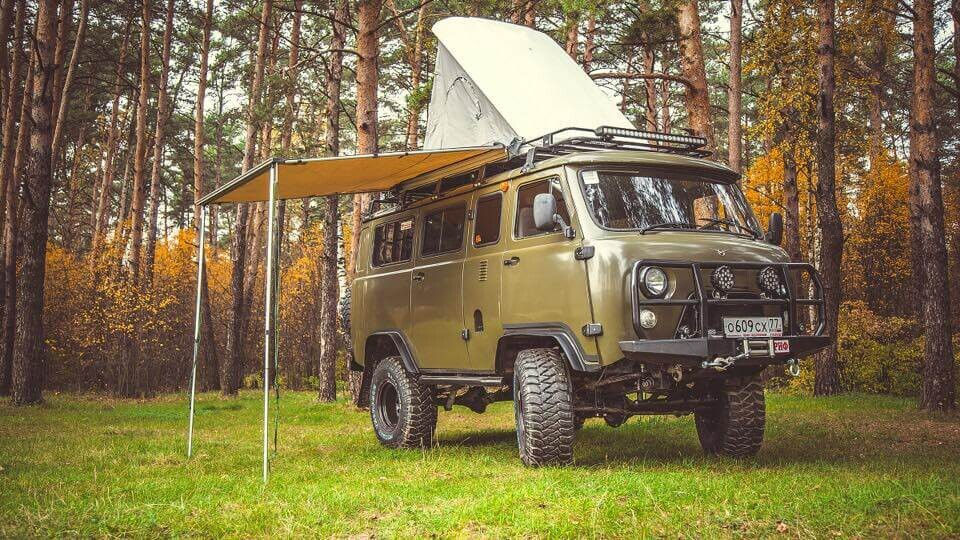
Offroad and Overlanding: If you'll be traveling in countries with lots of open space where road infrastructure is limited, it's worth looking into a 4x4 van conversion. They're generally more expensive and harder to find, but if they're right for you, you'll reap the rewards.
Requirements: Making a list of requirements you have for your conversion will give you a clear idea in your head of the type of van you need to build.
Rent First
Try renting a camper to see if vanlife suits you. Outdoorsy (like Airbnb for campers) makes it easy to experience different layouts before you commit. You’ll learn what you love—and what you don’t need—saving money in the long run.

Budgeting
Follow a 70/30 or 60/40 split between van purchase and build, and add 30% to your build budget for wiggle room. We find that most people spend a median of €10,000 on their base vehicle (a bit more in the US), with a median of €5,000 on the conversion. Don’t forget extras like road tax, insurance, and vehicle inspections.
The Best Vans for Conversion
Mercedes Sprinter/VW Crafter: Highly reliable but more expensive.
Ford Transit: Very common, especially the high-roof L3H3.
VW Transporter: Classic, smaller, and beloved by weekend warriors.
Alternative Vehicles: Box vans, skoolies, and classic VWs can be cool but may require bigger budgets or special licenses.

Finding a Solid Used Van
Check the service history and logbook.
Verify mileage and previous accidents.
Avoid outstanding finance—it becomes your debt if you buy it.
Ask a mechanic to inspect it thoroughly before handing over money.
Spending a bit more upfront on a dependable vehicle often saves you major repair bills later. By doing your research, setting clear goals, and testing the waters first, you’ll be well on your way to finding the perfect van. Our full article on choosing among the best vans for conversion includes a comprehensive supplies list, cost breakdowns, breakdowns of popular vans including the best small vans for camper conversion, and tips for buying a used van.
Check out our full article on choosing a van for conversion here.
Project Management and Planning Your Van Conversion
Project management is vital for a successful van conversion. Not only does it save time and money, but it also helps you stay organized and reduces stress along the way. A great place to start is by setting up a proper system for note-taking and task management. This could be something like Notion—a free, all-in-one productivity app where you can build a supplies list, timeline, kanban boards, and daily to-do lists. If Notion isn’t for you, feel free to mix and match tools like Evernote, Trello, and Todoist; the key is having a solid system in place.
Shane has created a comprehensive, fully-featured Notion dashboard for making and organising your van conversion plans, including supplies lists, a timeline, kanban boards, to-do lists, and more. Check out this amazing project management tool here:

Laying Out Your Conversion
Create a master Supplies List with item prices, quantities, and links. This helps you estimate a rough budget.
Build a high-level timeline of tasks in chronological order (e.g., first “De-rust Van Interior,” last “Upholster Mattress”). Then add 30% extra time as a buffer.
Use deadlines to your advantage: tight timeframes can significantly boost productivity, thanks to Parkinson’s law (“Work expands to fill the time available”).
Daily To-do Lists
Write a manageable to-do list every evening.
Consider the “MIT” (Most Important Task) approach in the morning, or adopt a “1-3-5” or “1-2-3” rule for tasks of varying sizes.
Keep your list linked to your main project board, so you always know the “why” behind each day’s tasks.

Essential Productivity Tricks
Consistency: Work on your build a little bit every day, even if it’s just 30 minutes.
Gamification: Move tasks into “Done” on your kanban board, or drop paperclips in a jar to track your progress visibly.
Batching: Group similar tasks together (e.g., cut all wood first, then attach it) to save loads of time.
Environment Design: Keep your workshop tidy and tools easily accessible to avoid wasting time looking for gear.
Flow State: Minimize distractions, tackle moderately challenging tasks, and aim for extended periods of uninterrupted work to get into the zone.
Loss Aversion: Use something like Beeminder to bet on your own productivity—if you miss a goal, you pay.
Take Breaks & Get Help: Friends, family, good music, and the occasional rest can boost motivation and keep you on track.
By combining these techniques—staying consistent, leveraging the right tools, and keeping your eye on the bigger picture—you’ll transform what might feel like a massive project into a streamlined, efficient, and enjoyable journey. Our full article on van conversion project management includes a step-by-step guide to creating your own project dashboard in Notion. It also goes into detail on research techniques, productivity strategies, and time budgeting tips.
Check out our full article on van conversion project management here.
Designing the Layout for Your Van Conversion
Designing a campervan layout is one of the most exciting and creative parts of a van build. Like Steven Covey says in The 7 Habits of Highly Successful People, it helps to “begin with the end in mind.” By envisioning your layout upfront, you’ll stay motivated and ensure your camper is both beautiful and functional.

Five Steps to Van Design and Planning
Inspiration & Concept
Gather ideas on Pinterest, Instagram, YouTube, or by chatting with other vanlifers.
Create mood boards (physical or digital) and note down features you like.
Make a must-have features checklist based on how you’ll use your van (full-time/part-time living, remote work, traveling alone or with a partner, cold climates, etc.).
Logistics
Estimate costs early (van + materials + 30% for surprises).
Plan the project outline—Gantt charts and kanban boards give you a solid overview which you can follow and add to over the course of your van conversion.
Initial Sketches & Layout
Sketch a rough floor plan on paper (scaling helps: 1:5 or 1:20 for metric; 1:4 or 1:24 for imperial).
Consider insulation thickness, bed orientation, and weight distribution.
Technical Drawings & CAD
Software like SketchUp or Vanspace3D gives precise 3D models. Vanspace3D comes loaded with van templates and drag-and-drop features.
Develop wiring, water, and gas schematics, keeping safety regulations in mind.
Feedback
Post your designs online or ask seasoned converters for tips.
Seek professional advice on electrics or gas, then revise if needed.
We highly recommend Vanspace3D as a tool for exploring and refining van conversion layouts. Vanspace3D allows you to create DIY camper van floor plans inside accurate 3D models of all popular base vans. The capability to drag and drop furniture modules around and save them for use in other mock-ups saves a huge amount of time and makes exploring and iterating on layouts a positively fun project. Check out Vanspace3D today and kickstart your van conversion.

Key Considerations
Working Remotely: You’ll likely need a proper table or standing desk.
Weather & Seasons: Plan for insulation, heaters, or extra fans if you’re venturing into extreme climates.
Stealth vs. Showy: City-dwellers may want a “builders van” look, while off-grid types can add visible extras like awnings.
Budget & Lifestyle: A big budget opens up features like heated showers or massive fridges, but simpler builds can still be awesome.
Family & Friends: Double beds, extra bunks, or even hammock hooks might be essential.
Personal Needs: From toilets and showers to library space and mood lighting, customize your van to fit who you are.

Testing the Layout
Measure your interior van dimensions thoroughly and lay painter’s tape down where fixtures (bed, kitchen, storage) will go.
If possible, place actual components or cardboard mockups inside to see how everything fits.
Renting a camper first (via Outdoorsy, for example) can help you discover what you really need—and what you can live without. By sketching, prototyping, and iterating, you’ll craft a layout that perfectly matches your travel style, budget, and sense of adventure.
Our full article on designing van conversion layouts goes into the layout design process in detail, giving inspiration van conversion interior ideas (including a pack of 30 free van blueprints), comprehensive supplies lists, and details on furniture dimensions.
Take a look at our full article on van conversion layouts here.
Having checked these items off, you should now have a very strong foundation from which to start your van conversion into camper project. You should have a base van ready, and know about the legal and insurance requirements for the van conversion process. You might already have an insurer picked out. You should have an idea of your van conversion cost, detailed in a project management dashboard along with a supplies list, initial to-do list, and timeline. Finally, you should have finalised your interior layout.
With all of this ready to go, we can start on the first stage of the build: shaping your van's exterior metalwork.